
NCMG Scientific Advisory Board
Dr. Robert Ivánek
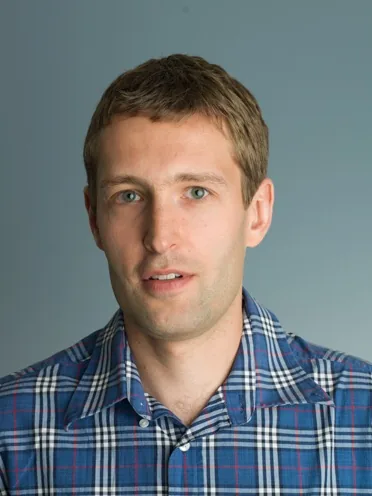
Robert Ivánek received his doctoral degree in Molecular Biology and Genetics from the Charles University, Prague, Czech Republic in 2009. During last two years of his PhD studies he was running the Genomics Core facility at the Institute of Molecular Genetics, Prague, Czech Republic. From 2009 till 2012 he trained as postdoctoral fellow at Friedrich Miescher Institute for Biomedical Research, Basel, Switzerland. In 2012 he became Head of Bioinformatics Core Facility at Department of Biomedicine (DBM), University of Basel, Basel Switzerland. In his scientific career he contributed to identification of molecular basis for several human rare diseases by applying novel combination of genomic tools and bioinformatic approaches. He also investigate the effect of sequence variation on transcription factor binding, DNA methylation and chromatin structure. His team at DBM provides bioinformatic expertise and training for analysis of high-throughput genomic data in biomedical field.
Dr. Jacek Majewski
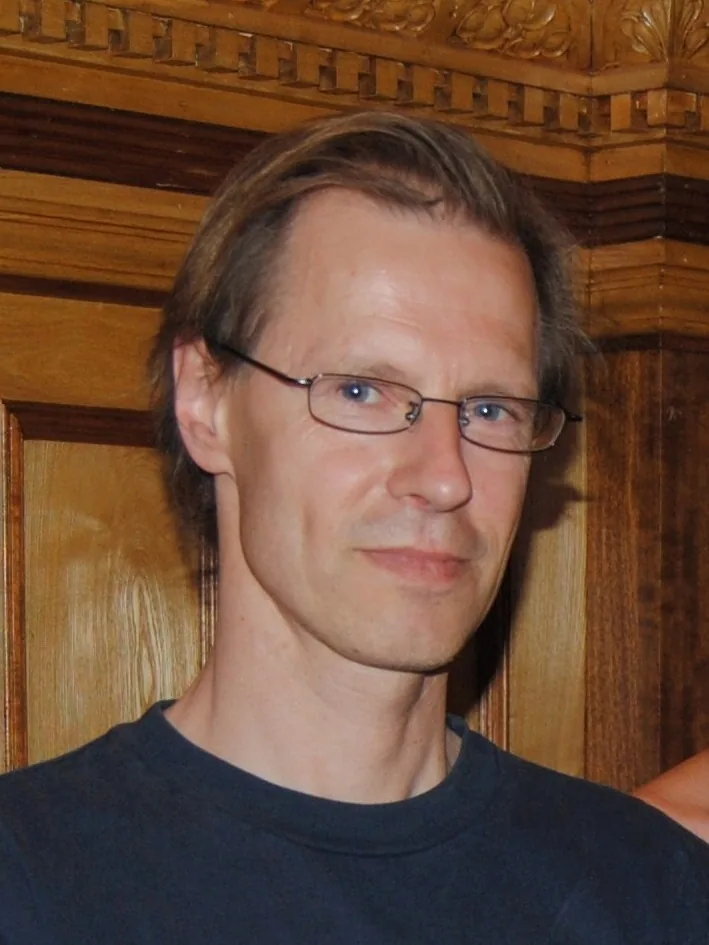
Dr. Jacek Majewski obtained his Bachelor’s degree in physics and Master’s degree in electrical engineering from Stanford University, Palo Alto, USA in 1991. Following a short adventure in the real world, he returned to academics and in 1999 received a PhD. in Biological Sciences from Wesleyan University, USA. His post-doctoral training with Dr. Jurg Ott at the Rockefeller University in New York focused on statistical genetics and methodologies for identifying variants underlying human genetic disease. At the onset of the human genome era, his combined background in quantitative sciences, biology and statistics opened new venues into the field of genome sequence analysis. He is currently an Associate Professor at the Department of Human Genetics, McGill University, Montreal, Canada, Medical Scientist at the McGill University Health Centre, and Scientist at the Shriners Hospital. His research centers on the analysis of next generation sequencing data, with specific applications to human genetic disease and cancer research. He holds grants from major Canadian and US funding agencies and has co-authored over 220 publications.
Dr. Vladimír Beneš
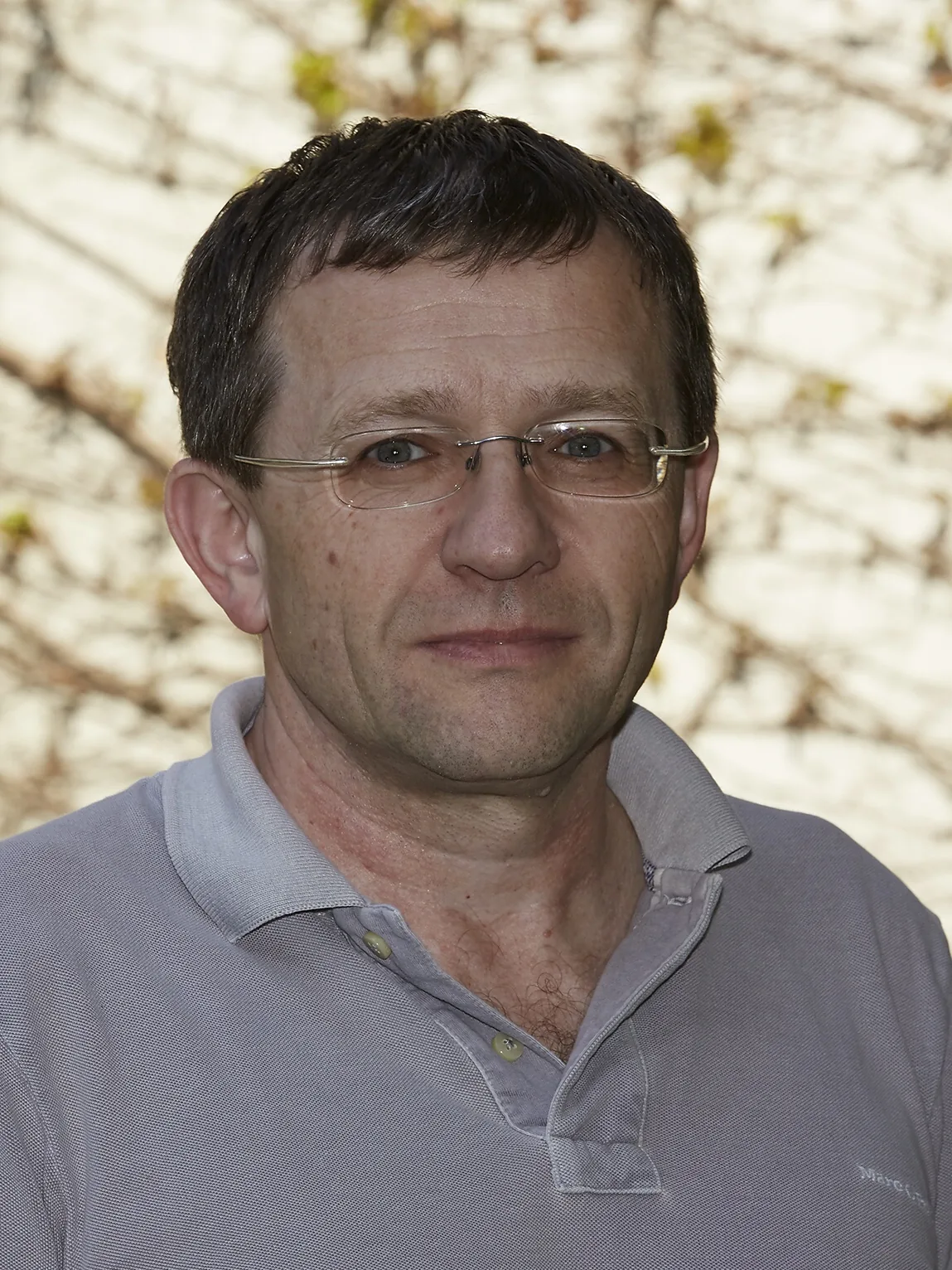
Vladimír Beneš, Head of GeneCore, studied in Prague, the Czech Republic. He has been at EMBL since 1994 when he came as a postdoc to Ansorge group in the Biochemical Instrumentation Unit. Vladimir worked on development of methodology supporting genome-wide high-throughput sequencing, mainly in the sample processing part. In 2001 he was appointed to build EMBL Genomics Core Facility, a technology orientated service laboratory founded to assist researchers with functional genomics projects. This facility is currently utilizing mainly massively parallel sequencing & microarray technologies as well as qPCR. Among Vladimir’s tasks belong also assessment of new technologies and functional genomics applications, in particular their suitability for implementation in the environment of core facilities. He is also strongly involved in teaching of methods applied in this field.
Dr. Jiří Zavadil
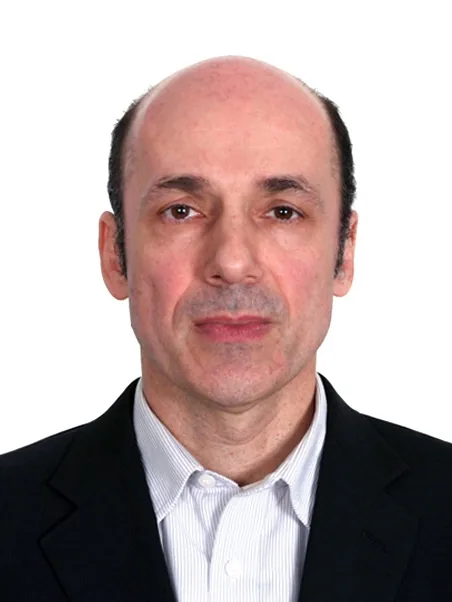
Jiří Zavadil received his doctoral degree in Biomedicine/Molecular Genetics in 1998 from the Charles University, Prague, Czech Republic. From 1998 to 2003, he trained as postdoctoral fellow at Mount Sinai School of Medicine and at Albert Einstein College of Medicine, in New York. Between 2003 and 2012 he was Assistant/Associate Professor of Pathology, Director of the NYU Genome Technology Center and Faculty Member of the NYU Center for Health Informatics and Bioinformatics at the New York University Langone Medical Center, New York. In 2012, he became Head of the Molecular Mechanisms and Biomarkers Group at the WHO International Agency for Research on Cancer (IARC), Lyon, France. In his scientific career he has studied human pathologies including cancer, using innovative workflows and methodologies in genomics and bioinformatics. His work has been documented by dozens (of 110+ total) lead-authored or co-authored publications. His team at IARC focuses on deciphering molecular mechanisms of carcinogenesis, with a particular emphasis on understanding the effects of environmental causes of cancer, and on the impact of carcinogens on critical genome alterations leading to cancer cell phenotype outcomes.